01
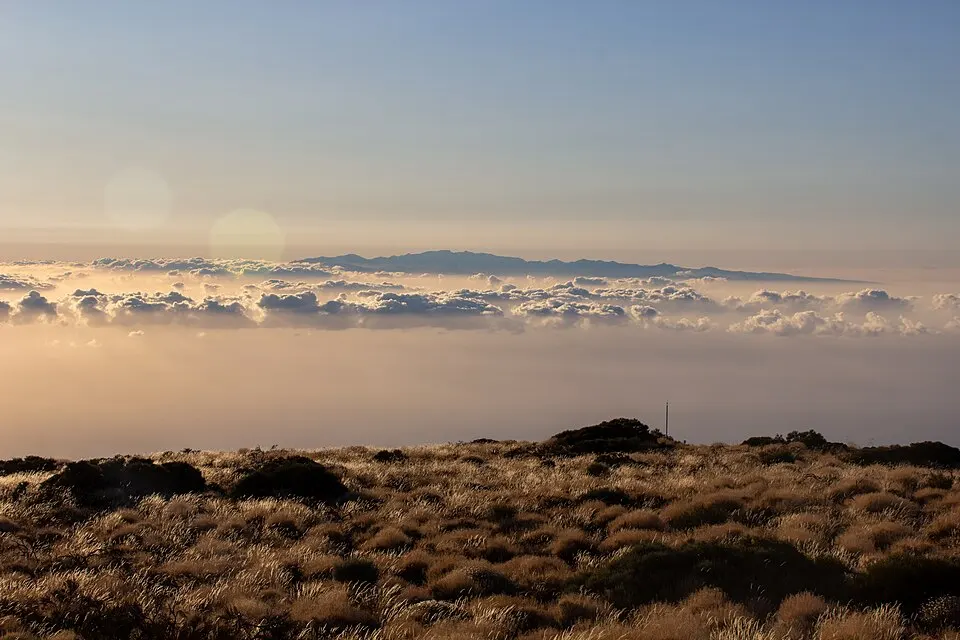
Daytime Teide Observatory tour
Daytime Teide Observatory tour
Visitors make their own way to the observatory. The minimum age is eight.
From $23
See dates and availability→Before you go
Getting there
See and do
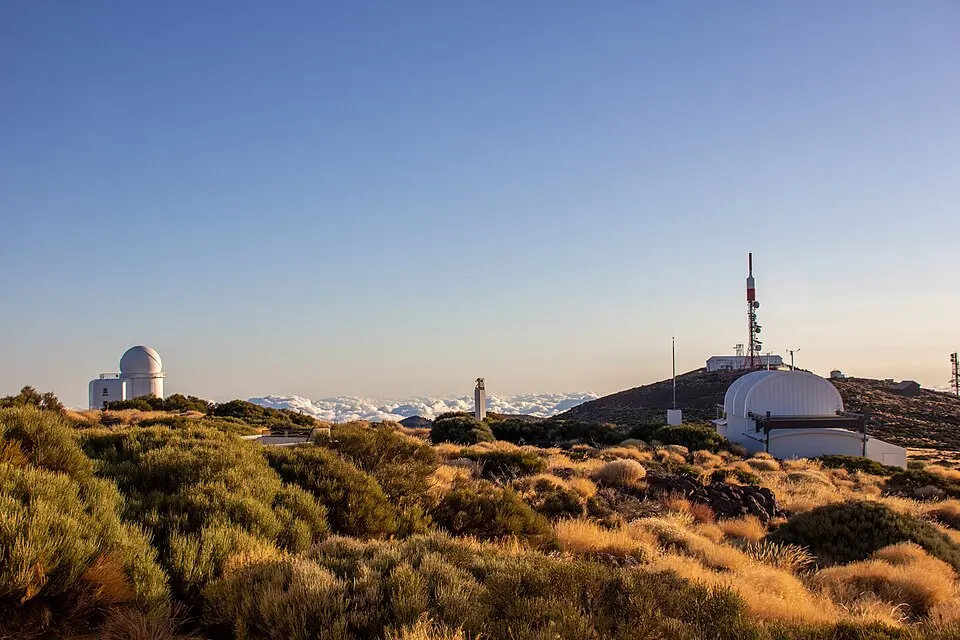
Daytime research-site visits and a separate evening option
The first two trips visit the research site. The standalone telescope session takes place after dark elsewhere in the park.
We may earn a commission if you book through these links, at no extra cost to you.
01
Daytime Teide Observatory tour
Visitors make their own way to the observatory. The minimum age is eight.
From $23
See dates and availability→02
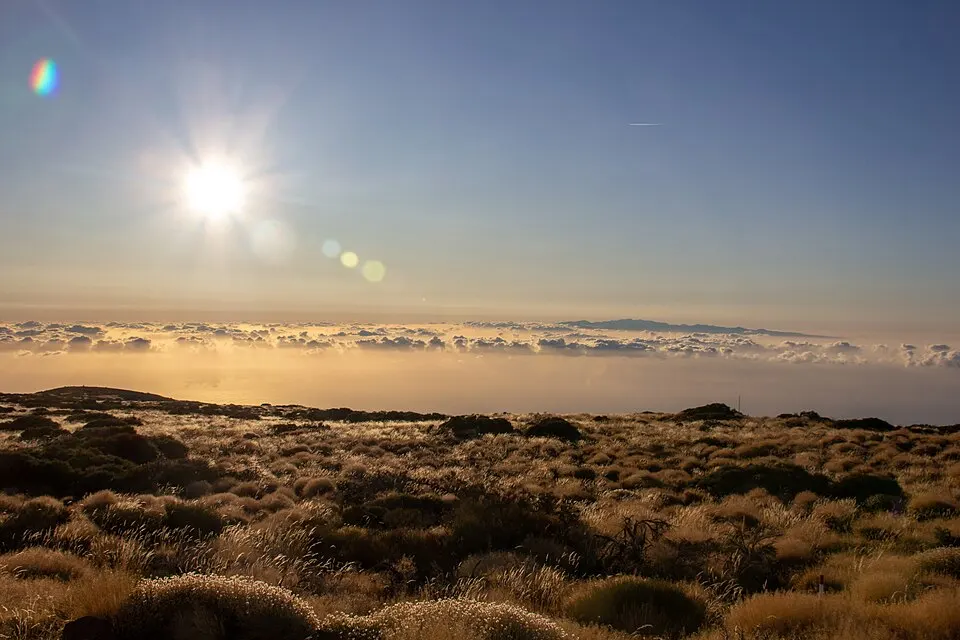
Observatory and evening stargazing
Participants must be at least eight. Bring food for the gap between daytime and nighttime activities.
From $122
See dates and availability→03
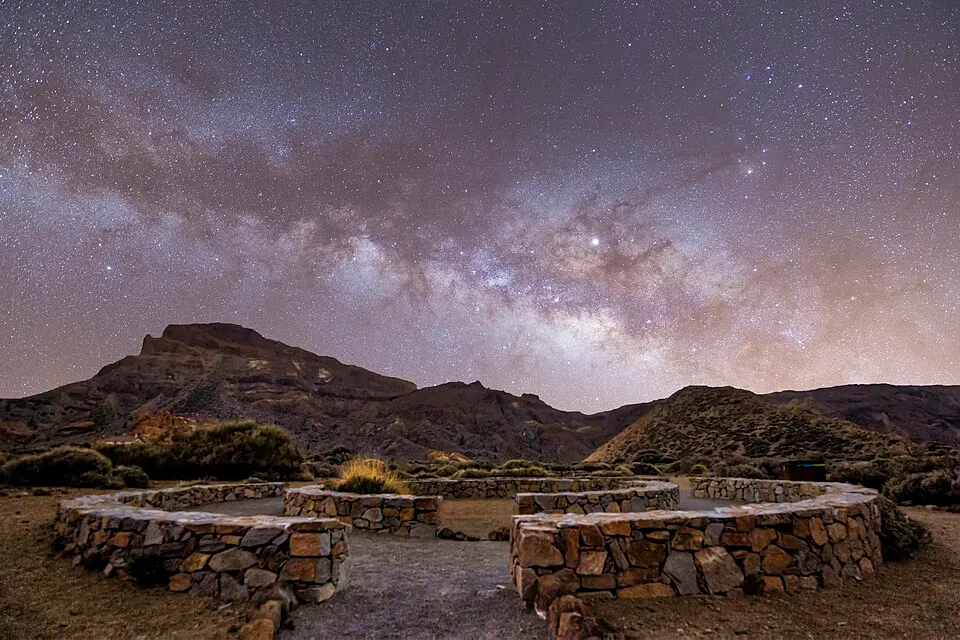
Small-group telescope session
It is a self-drive evening for ages five and up. The guide sends the meeting coordinates on the day based on wind.
From $87Read more
See dates and availability→| Option | What you see | Before booking |
|---|---|---|
| Official guided daytime visit1 | Observatory facilities at Izaña. | Minimum age eight. Check the booking calendar for English or Spanish on your date. Expect gravel paths and stairs. |
| Daytime plus evening astronomy2 | Observatory visit followed by evening stargazing elsewhere. | Check the selected transfer, itinerary and age rules. |
| Night-only telescope session3 | Guided telescope viewing at a separate meeting point in the park. | Check transport and the meeting pin. The outing does not enter the Observatory. |
Book a daytime Observatory visit with Volcano Teide. Select your date and language, check the IAC visitor information, and arrive at the Observatory gate at least 30 minutes before your time with the confirmation.
For daytime access plus stargazing later at a different viewing site, see the astronomy combination. For a night-only visit, choose a stargazing tour by its own meeting point.
Choose a visit in a language that works for the group. If some in the party are too young to attend, choose a different outing or arrange an independent road-level visit with another adult and a clear place to reunite. The Teide family guide compares choices for younger visitors. Rules for the cable car and for the observatory differ, so use the restriction for the activity you have chosen. Check footwear and mobility information directly with the observatory visit provider if someone needs help getting over uneven or sloped ground.
Read the terms about arrival and weather. You may be approaching from a coast with better visibility than the ridge. A change in the itinerary can affect solar observing while the site still admits the group. The listing describes a visit with solar viewing when the sky allows. Rescheduling terms depend on whether the operator cancels the visit or runs the installation tour without looking at the Sun.
For two adults with a six-year-old and a twelve-year-old, choose the Museum of Science and the Cosmos unless the Observatory confirms that your driver can drop off and collect the visiting pair. A public ticket calendar listed a 12:45 English visit on Friday 20 November 2026. Confirm seats before booking. The Observatory admits children from age eight. One adult and the twelve-year-old cost €21 total at the published direct rates (€21 for a nonresident adult, free for ages 8–16).
Reach the Izaña Observatory gate by 12:15. The operator’s instructions send cars about 2 km inside the gate to visitor parking. Before paying, ask whether your driver can take the visiting pair to that car park with the six-year-old in the car, leave, and come back. If staff agree, use the car park for both handoff and reunion, or use the exact escorted meeting point staff give you. The tour lasts about 90 minutes, so agree on pickup around 14:25, after the expected 14:15 finish. If staff require the car to stay, the second pair needs another confirmed vehicle or transfer to make its own trip. Visitors cannot walk independently inside the Observatory grounds.
The driver and six-year-old can visit the free indoor exhibits at El Portillo Visitor Centre on TF-21. It opens 09:00–16:15 and has on-site parking. Budget 20 minutes each way from the gate for the ridge drive, plus time inside the gate, and leave El Portillo by 13:50 for pickup. Treat the garden as optional. No separate fee is listed for the Observatory’s visitor car park.
On direct bookings, changes and cancellations are free up to 24 hours before the visit. The operator refunds tickets if weather or a technical issue prevents access. Clouds can remove solar viewing while the guided visit still runs. Check the terms of the ticket you buy.
Arrive at 16:00 on the same Friday for free gallery admission for all four. The museum’s own visitor page lists Friday hours of 09:00–19:00, last entry at 18:30. Before 16:00, general admission is €5, under-eights enter free, and the museum lists a €3.50 student rate. Check eligibility for the twelve-year-old at the desk. Parking Trinidad lists an indicative €2.75 for the first hour. Check the entrance tariff. Tram Line 1 stops at Museo de la Ciencia, opposite the museum.
The planetarium costs €1 per person separately, or €4 if all four attend. The regular Friday timetable lists Somos estrellas at 17:45, with a recommended age of seven and Spanish and English listed for the film. The other afternoon films have higher recommended ages. Call +34 922 31 52 65 to ask what is showing, whether it suits the six-year-old, which language will play and whether four seats can be reserved. Plan around the galleries and treat the screening as optional. Hours and rates checked 19 November 2026.
The $122 combination includes transport, a guided daytime visit and nighttime viewing with a telescope. The viewing takes place away from the research site. Food is separate, so pack something for the gap before it gets dark. If you have your own car and mainly want time at a telescope, the $87 standalone session sends meeting coordinates on the day based on wind. Compare the other stargazing tours if you want a coast pickup or a shorter evening outing.
A self-planned night visit can work without observatory admission if all you want is a clear dark view, a legal place to stop and your own way home. Put the two bookings on separate days if you would rather keep an evening free for clear conditions. With the combined product, the value is having both visits arranged from one schedule. Read the travel and return plan before choosing it.
A normal park day tour has a different focus. A ridge drive or a stop near Izaña gives you an outside view. Admission to the research site is included when the itinerary names a guided visit to the observatory. On a self-drive day, make the observatory appointment your first commitment and use the remaining time for an open signed viewpoint and El Portillo. For a late afternoon appointment, leave time for the drive along the ridge and use the entry instructions in the booking to find the correct gate.
The Teide Observatory sits at Izaña, away from the lower cable car and the Roques area. The IAC public visit information gives the setting and describes visits in a controlled research facility. The ticketed tour has a guide and may include projected or filtered views of the Sun when the sky allows. Visitors come to learn what the instruments measure and why the site helps the work. On a bright day, the Sun is the object for the dedicated instruments. The telescope for the night portion of a combined trip is a separate instrument and can be set up at a different site.
At the entrance or meeting point, look for the name of the public visit on the confirmation. Arriving at a telescope compound from a general Teide map search can take you to the wrong gate or a road visitors cannot use. Use the coordinates supplied in the booking and keep the guide’s contact details to hand. The road notice gives the affected stretch of TF-24. The seller sends any change to the scheduled visit separately. Conditions at the caldera and at the observatory are not interchangeable.
A visit starts at a stated time and involves moving with the group in the research area. The product’s lower age restriction and mobility notes can affect who can join. If your smallest traveller does not qualify, choose between a short park walk together and splitting the party for the visit. The whole group can meet again later at a named visitor centre or park stop as long as the timing works. For guests travelling without a car, make sure the listing names pickup or another transport arrangement. A ride to a caldera bus stop does not establish service to the observatory gate.
The long astronomy outing adds a nighttime activity. Put the duration next to the time your family wants to eat and get back. Check the written order of stops and where you leave the vehicle if you use an independent transport option. A group most interested in the Milky Way or a planet can use an evening product with a telescope. A group mainly interested in the science can choose the scheduled daytime visit and have the rest of the day for the park.
Good to know
Use one of the regular scheduled public visits. The research site is distinct from a roadside viewpoint.
The direct listing requires age eight. Choose an outdoor park stop that works for the whole family.
The ordinary visit takes place by day. Read where the night session is held in a combined product.
The guided visit describes it as dependent on conditions. The daylight visit has its own meeting time and eligibility rules.
The daytime visit is a separate booking at a different site. The combination listing identifies which parts take place at the observatory and which happen elsewhere.
More of the guide
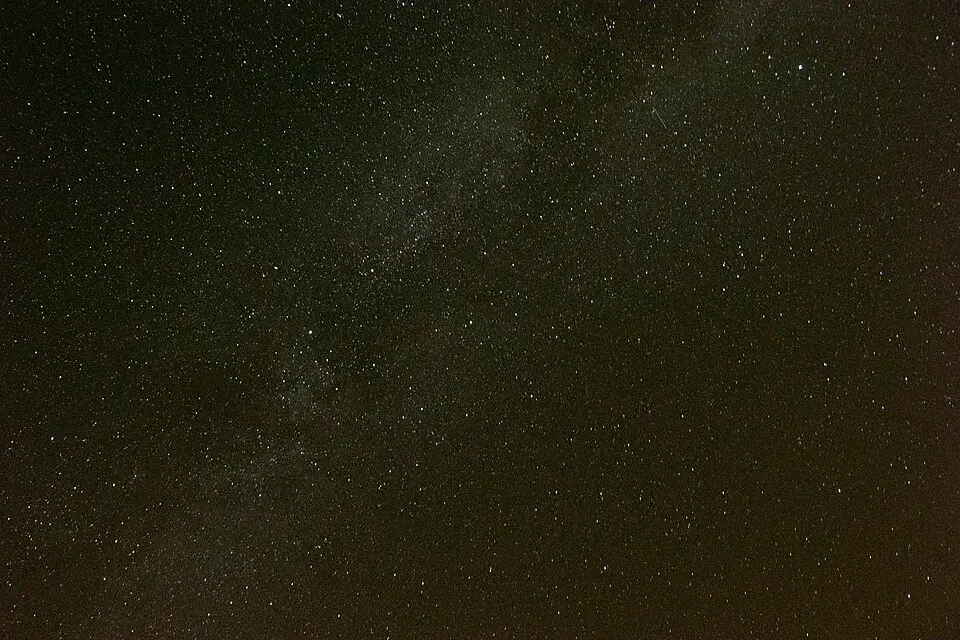
Choose a telescope session, a sunset package or your own stop
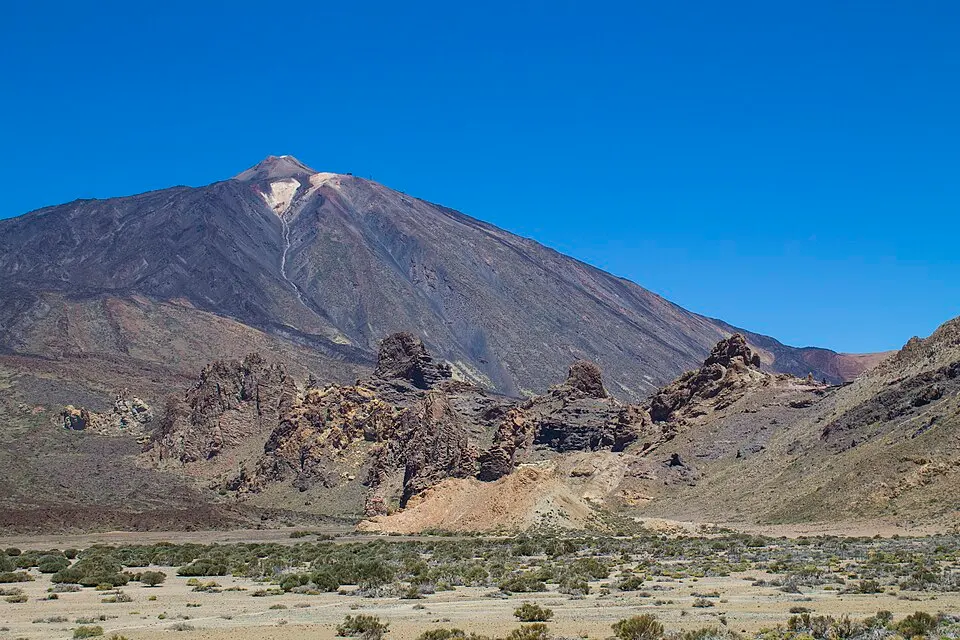
Compare pickup and admission before choosing a park tour
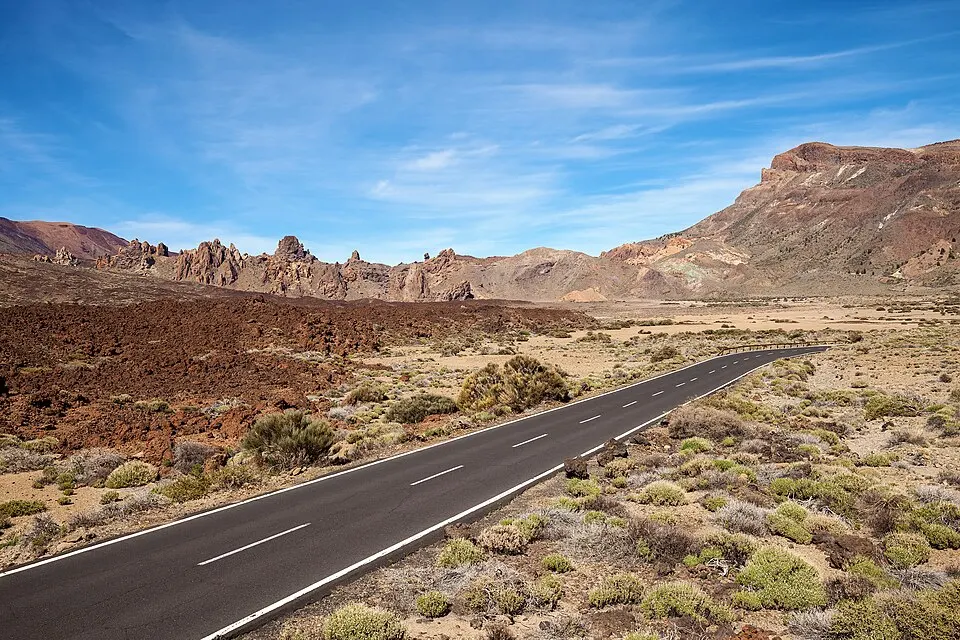
Four paved approaches to the park from the coast
3 picks · from $23
See tours